- DIRECT CONTACTS:
- +256740519263
- +256771689312
- bikoolawildadventure@gmail.com
Gorilla Trekking in Uganda Bwindi
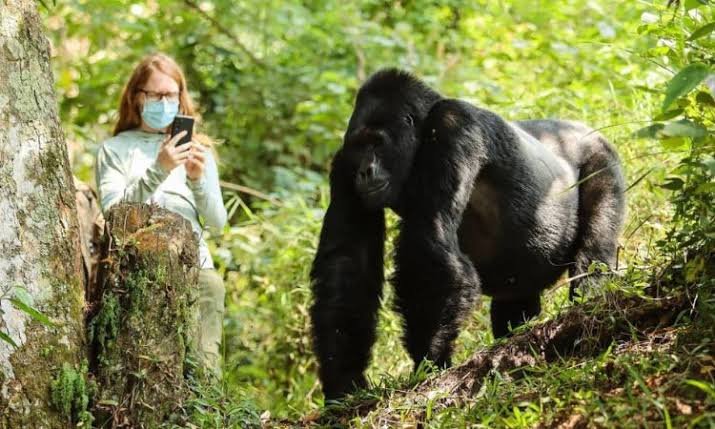
Gorilla Trekking in Uganda Bwindi. Bwindi Impenetrable National Park is Uganda’s flagship wildlife destination and home to nearly half of the world’s remaining mountain gorillas. Tucked into the rugged hills of southwestern Uganda, this UNESCO World Heritage Site offers travelers the rare chance to spend an hour face-to-face with a wild gorilla family in their natural rainforest habitat. For anyone planning a Uganda safari, gorilla trekking in Bwindi is widely considered the single most rewarding wildlife experience on the continent, and it forms the centerpiece of many of our tailor-made itineraries.
Why Bwindi Is Uganda’s Premier Gorilla Destination
Bwindi Impenetrable Forest spans roughly 321 square kilometers of ancient, biodiverse rainforest, much of it dating back over 25,000 years. The park is currently home to more than 459 mountain gorillas, organized into habituated family groups spread across four distinct trekking sectors: Buhoma, Ruhija, Rushaga, and Nkuringo. Each sector offers a slightly different forest landscape and difficulty level, allowing travelers of varying fitness abilities to choose a trek that suits them. Beyond gorillas, Bwindi also shelters forest elephants, over 350 bird species, and 200 species of butterflies, making it a haven for nature lovers well beyond the primary attraction.
How Gorilla Trekking Works
A gorilla trekking day begins early with a briefing at one of the park’s ranger stations, where guests are organized into small groups of a maximum of eight people, each assigned to a specific habituated gorilla family. Armed rangers and expert trackers then lead the group into the forest, following trails, fresh dung, and broken vegetation to locate the gorillas. Depending on where the family has moved overnight, the hike can take anywhere from 30 minutes to six hours through dense, often steep terrain. Once the gorillas are found, visitors are permitted exactly one hour in their presence, observing feeding, grooming, and family interactions from a respectful distance. This activity pairs naturally with our 3 Days Uganda Gorilla Trekking Primate Safari for travelers with limited time, or longer combination trips for those wanting a fuller wildlife circuit.
Choosing the Right Trekking Sector
Buhoma, the park’s original and most accessible sector, offers relatively gentler trails and well-established tourist infrastructure. Ruhija, situated at higher altitude, is known for cooler weather and excellent birding alongside gorilla families. Rushaga, in the south, hosts the highest concentration of habituated families and is also the only sector offering the Gorilla Habituation Experience, which extends the visit to four hours with researchers still acclimatizing a family to human presence. Nkuringo offers some of the most dramatic scenery but tends to involve steeper hiking. Choosing the right sector depends on fitness level, scenic preference, and how itineraries connect with other parks, something our travel consultants help plan as part of a combined safari itinerary.
Gorilla Permits and Booking Requirements
Gorilla trekking is strictly regulated to protect both the gorillas and the ecosystem. Only a limited number of permits are issued per family per day, and they must be booked well in advance, particularly during peak travel seasons. Permits are issued by the Uganda Wildlife Authority, the official government body responsible for managing all of Uganda’s national parks and protected wildlife areas. Because availability is limited and demand is high, especially around June to September and December to February, early booking through a licensed tour operator is strongly recommended to secure preferred dates and trekking sectors.
Best Time of Year to Trek
Bwindi can technically be visited year-round, but the two dry seasons, from June to September and December to February, offer the most favorable trekking conditions, with drier trails and reduced rainfall. The wetter months between March and May and October and November bring lusher scenery and fewer crowds, though trails can become muddy and more physically demanding. Regardless of season, the rainforest’s high altitude means visitors should pack for variable weather, including waterproof layers and sturdy hiking boots.
Combining Gorilla Trekking with Other Uganda Experiences
Bwindi’s location in southwestern Uganda makes it easy to combine with other major attractions, including Queen Elizabeth National Park for game drives and boat cruises, or a short cross-border extension into Rwanda’s Volcanoes National Park. Travelers seeking a broader primate experience often pair Bwindi with chimpanzee tracking in Kibale Forest, as featured in our 7 Days Ultimate Uganda Primate Safari Experience. For those wanting maximum wildlife diversity in one trip, our 9-Day Uganda Wildlife Safari with Gorilla Trekking combines Murchison Falls, Queen Elizabeth, and Bwindi into a single, well-paced itinerary.
Conservation Significance of Gorilla Tourism
Mountain gorillas remain classified as endangered, and tourism revenue plays a direct role in their continued survival. A significant portion of every trekking permit fee funds anti-poaching patrols, veterinary monitoring, and community development programs in villages bordering the park. This model has helped Uganda’s gorilla population grow steadily over the past two decades, standing in contrast to the species’ historic decline. Travelers interested in deeper conservation context can also explore resources from the International Gorilla Conservation Programme, which works alongside Uganda, Rwanda, and the Democratic Republic of Congo to protect the species across the Virunga Massif and Bwindi ecosystems.
Planning Your Gorilla Trekking Safari
Gorilla trekking in Bwindi is physically demanding but achievable for most travelers with reasonable fitness, and porters are available to assist throughout the hike. Whether trekking is the highlight of a short getaway or one part of a longer wildlife and cultural journey across Uganda, careful planning around permits, sector choice, and accommodation makes all the difference to the overall experience. To secure permits and build a personalized itinerary around your preferred dates and trekking sector, contact our travel consultants and let Bikoola Wild Adventures arrange your unforgettable Bwindi gorilla trekking experience.